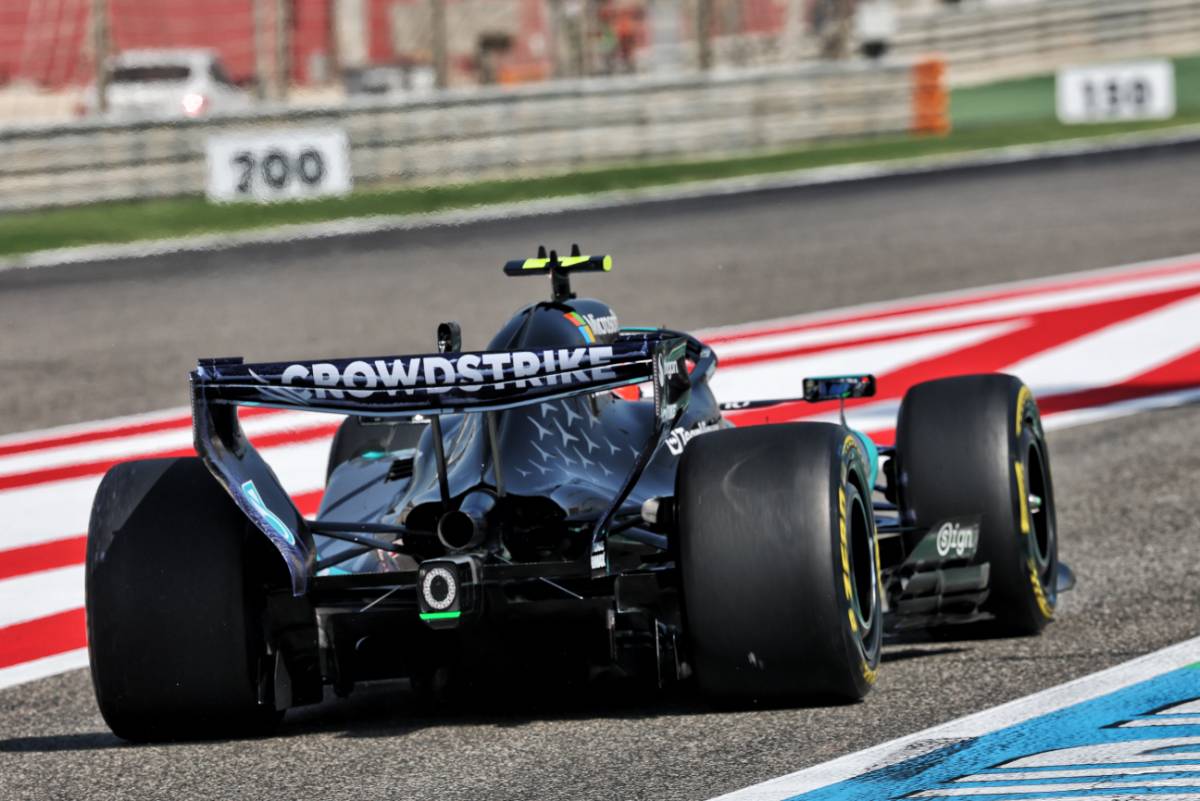
Mercedes F1 Engine Loophole: FIA Tightens 2026 Power Unit Rules
The world of Formula 1 thrives on innovation and fierce competition, but every so often, the pursuit of performance pushes the boundaries of interpretation within the sport's complex rulebook. The run-up to the highly anticipated 2026 season has ignited a significant
FIA Confirms Mid-Season F1 Engine Rule Change for 2026, focusing on potential loopholes in the new power unit regulations. At the heart of this "fia engine dispute" stands Mercedes, spotlighted by rival teams for allegedly finding a clever way to circumvent engine compression ratio limits. The governing body, the FIA, has responded decisively, announcing a crucial mid-season rule change to ensure fair play and uphold the integrity of the new era.
The Heart of the Matter: 2026 F1 Engine Regulations and Compression Ratios
The 2026 Formula 1 season marks one of the most significant regulation overhauls in the sport's history, particularly concerning the power units. Designed to attract new manufacturers and promote sustainability, these rules introduce a host of changes, including a crucial update to the engine compression ratio. Previously limited to 18.0, the new ruleset lowers this critical parameter to 16.0.
For those unfamiliar, the compression ratio is a fundamental aspect of internal combustion engine design, representing the ratio of the volume of the cylinder and combustion chamber when the piston is at its lowest point to the volume when it's at its highest. A higher compression ratio generally leads to greater thermal efficiency and, consequently, more power. The FIA's reduction was intended to standardize performance and make the engines more accessible for newcomers like Audi.
However, the initial regulations specified that this 16.0 limit would be measured only when the engine was *not* running at full operating temperature, effectively in "cold conditions." This is where the alleged "Mercedes F1 engine loophole" entered the conversation. Rival teams reportedly suspected Mercedes of exploiting the thermal expansion of engine components. In essence, as engine parts heat up during operation, they expand. If this expansion could subtly alter the combustion chamber's volume, it might allow for an effective compression ratio *above* 16.0 when the engine was hot and running, even if it measured within limits when cold. This ingenious, albeit controversial, interpretation could offer a significant competitive advantage, sparking the "fia engine dispute" that has dominated pre-season discussions.
Unpacking the 'FIA Engine Dispute': Allegations and Concerns
The whispers of a potential loophole quickly escalated into a full-blown "fia engine dispute" as rival teams voiced their concerns. The notion that one manufacturer might be able to effectively operate beyond the intended compression ratio limit, simply by leveraging physics during race conditions, sent ripples through the paddock. It underscored the eternal cat-and-mouse game between rule-makers and engineering ingenuity that defines Formula 1.
The allegations primarily centered around Mercedes, prompting intense scrutiny. While Mercedes team principal Toto Wolff initially expressed concerns that a change to the power-unit regulations could be "quite damaging for the performance," his stance softened during later testing. He indicated that Mercedes would be "pretty comfortable" if a team were to protest their engine at the season-opening Australian Grand Prix, signaling their belief in the legality of their design even under protest. This confidence, however, did little to quell the underlying tensions among other manufacturers who felt the spirit of the rules was being challenged.
The feedback from pre-season tests in Barcelona and Bahrain, combined with extensive input from drivers and teams, became crucial. The unified front from power unit manufacturers—Mercedes, Ferrari, Red Bull-Ford, Audi, and Honda—in approving the subsequent amendments to the technical regulations via an e-vote of the World Motor Sport Council, speaks volumes about the collective desire to maintain a level playing field. This collaborative approach, despite initial disagreements, highlights the sport's commitment to addressing fundamental fairness issues head-on. For a deeper dive into the technicalities, you can read more about
F1 2026 Engine Rules: What the Compression Ratio Change Means.
FIA's Swift Action: Mid-Season Rule Amendments for 2026
In response to the growing "fia engine dispute" and the identified vulnerability in the 2026 regulations, the FIA acted swiftly and decisively. Confirming a mid-season rule change, the governing body announced a new test protocol designed to explicitly control the compression ratio under operating conditions.
From June 1, 2026, a new engine test will be introduced. Critically, this test will measure the compression ratio when the engine's ambient temperature is at 130 degrees Celsius – a temperature more reflective of real-world operating conditions. This marks a significant shift from the initial "cold conditions" measurement.
The FIA's solution is a carefully considered compromise, phased over two years:
- From June 1, 2026: The compression ratio will be controlled in *both* hot (130°C) and cold conditions. This means engines will need to comply with the 16.0 limit under both scenarios for the remainder of the 2026 season, after the first seven races.
- From 2027 onwards: The compression ratio will *only* be controlled in the operating conditions (130°C). This streamlines the measurement process, focusing solely on the actual performance state of the engine.
This proactive measure ensures that any component, assembly, mechanism, or integrated arrangement designed to allow the compression ratio to exceed 16.0 in operating conditions will be strictly prohibited. The FIA acknowledged that such significant regulatory changes often involve "collective learnings" from pre-season testing and early races, and their readiness to adapt is a testament to their commitment to competitive fairness.
Broader Implications: Fair Play, Innovation, and Future F1 Seasons
The resolution of this "fia engine dispute" carries significant implications for Formula 1 beyond just the 2026 season. It reinforces the FIA's role as a vigilant guardian of the sport's technical regulations and its commitment to fair competition. By swiftly addressing potential loopholes, the FIA maintains confidence among existing teams and new entrants, ensuring that the spirit of the rules is upheld alongside their letter.
For manufacturers, this episode highlights the intricate balance between pushing engineering boundaries and respecting regulatory intent. While innovation is the lifeblood of F1, it must operate within a clearly defined framework. Teams will now need to meticulously design their power units to comply with the 16.0 compression ratio limit under all operating temperatures from the outset, removing any ambiguity that might have existed. This could lead to a focus on other areas of engine efficiency and performance within the new constraints.
The fact that the amendments were "unanimously approved" by all five power unit manufacturers demonstrates a collective understanding that a stable and fair regulatory environment benefits everyone. This collaborative spirit is vital for the long-term health and appeal of the sport, especially as it navigates such monumental shifts. This incident serves as a strong precedent: the FIA is prepared to intervene mid-season if necessary to correct unforeseen consequences of new regulations, providing stability and predictability for all competitors. It underscores that while engineers will always seek an edge, the ultimate arbiter of legality and fairness remains the governing body.
Conclusion
The "fia engine dispute" surrounding the 2026 power unit regulations and the swift action taken by the FIA exemplify the dynamic nature of Formula 1. What began as a suspected "Mercedes F1 engine loophole" related to compression ratios and thermal expansion has culminated in a crucial mid-season rule change. By introducing hot-condition measurements from June 2026, the FIA has reaffirmed its commitment to maintaining a level playing field and ensuring that all competitors adhere to the intended spirit of the regulations. This proactive approach not only resolves immediate concerns but also sets a clear precedent for the future, promising an even more tightly regulated and fiercely contested era of Formula 1. As the 2026 season approaches, fans can be assured that the battle for supremacy will be fought on skill, strategy, and innovation, all within clearly defined and rigorously enforced technical parameters.